Event Planning
Pakistani Wedding Planning: Functions and What Each Needs
Pakistani wedding planning explained: what each function involves, what to arrange, and how to coordinate Mehndi, Barat, and Walima.

Event Planning
Pakistani wedding planning explained: what each function involves, what to arrange, and how to coordinate Mehndi, Barat, and Walima.
Pakistani wedding planning is rarely about a single event. Most families organize a run of functions, often the Engagement, Dholki, Mayun, Mehndi, Nikah, Barat, Rukhsati, and Walima, and each one has its own mood, guest list, budget, and vendor needs. No two families hold them in quite the same way, and many combine two functions into a single day to manage cost and travel. The families who plan well treat each function as its own event while keeping one schedule across all of them.
Customs change with region, language, community, and personal taste. A Punjabi wedding in Lahore, an Urdu-speaking family's wedding in Karachi, and a Pashtun wedding in Peshawar can follow different sequences, and each gives different weight to each function. Even two families from the same neighborhood may plan very differently, depending on the size of the extended family and how much of the celebration they want to hold at home.
For that reason, the best starting point is the family's own list, not a standard template. One family keeps the Dholki and Mehndi at home and books a hall only for the Barat, while another hosts every function in a banquet. Some hold the Nikah on its own morning, and others place it just before the Barat so that guests travel only once. The table below gives a rough overview, and it should be read as a common pattern, not a rule. Function Often hosted by What the arrangements focus on Engagement Either family Ring ceremony stage, photography, refreshments Dholki and Mayun Bride's or groom's home Seating, music, traditional décor, light catering Bridal shower Friends or family of the bride Theme, styling, entertainment Mehndi Both families, often together Stage, florals, lighting, performances, food Nikah Often the bride's family Seating, backdrop, guest reception Barat Often the bride's family Venue, entrance, stage, catering, production Rukhsati Bride's family, with the groom's side Farewell setup, timing, family coordination Walima Groom's family Dining, reception décor, hospitality
The early functions tend to be warmer and looser. They are also the ones families plan last, and that is usually where small details slip. Even a relaxed gathering needs a confirmed guest count, a clear space, and one person who is responsible on the day.
Engagement Ceremony: The engagement is the formal moment when two families commit to the match. It might be a small tea at home or a dinner in a hall, depending on how the families want to mark it. Everything revolves around the ring exchange, so the stage or seating should give relatives a clear view. For the venue, a home or small banquet hall is usually enough, as long as seating is comfortable for elders. Families in Karachi looking for professional support can consider an engagement ceremony planner in Karachi to coordinate the venue setup, seating, décor and event arrangements. Décor stays simple, with fresh flowers and soft lighting that photograph well. Choose the menu to match the hour: tea and snacks for an afternoon event, a full dinner for the evening. Set a firm start time and tell the guests, since the ring exchange is usually timed around the arrival of both families. Brief the photographer about the ring moment and the family portraits people expect to receive.
Dholki and Mayun: Dholki evenings are informal. Relatives and friends gather, someone picks up a dholak, and the songs go on for hours. Some families arrange several Dholki gatherings in the weeks before the wedding, while others hold just one. Mayun is a related custom where the bride rests at home, often in yellow, while relatives apply ubtan to her. Because these gatherings are intimate, the arrangements stay modest. Floor seating or low sofas, traditional fabrics, marigolds or other flower décor, and simple food such as tea, snacks, or one shared dinner are usually enough. Families in Karachi who want a themed setup can explore a Dholki event planner in Karachi. Many families add a sound system, so it helps to check with neighbors or the building society beforehand, especially in apartments. Evenings work best because people can drop in after work. The one thing worth watching is the guest count, since these evenings tend to grow as relatives arrive with others.
Mehndi Ceremony: The mehndi is one of the most colorful functions of the whole wedding. It centers on henna for the bride, but the real draw is the music, the dance performances, and the energy of both families together. Many people remember it as the most fun night of the week. The venue matters more here than for most pre-wedding events. It needs enough floor space for the stage and for dancing, a good power supply, and a layout that lets guests see the performances. Color themes usually combine yellow, green, and orange with flowers and fabric draping. Dance groups usually rehearse for weeks, so the sound system and stage should be tested before guests arrive. Timing is the main challenge. Performances often run late, and if dinner is served in the middle, the program loses its momentum. Many families fix an order of performances and serve food at a planned break. Families can book each element separately or work with a Mehndi event planner in Karachi that covers the stage, décor, and food together.
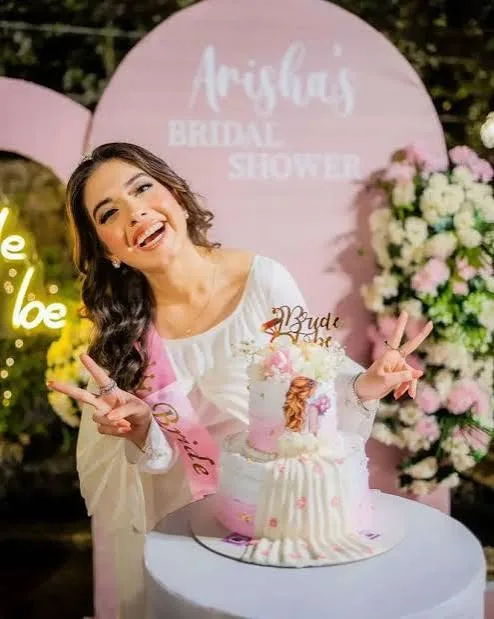
Bridal Shower: The bridal shower is a modern addition and is not part of traditional Pakistani celebrations. Some brides choose it because it gives close friends an evening of their own. Many families skip it entirely, and that is perfectly normal. When it does happen, it is usually themed, with matching décor, a styled seating area, light entertainment, and refreshments. A home, café, or private room works well for a small guest list. If using a commercial venue, ask whether outside décor and food are allowed, since policies differ. Keep the invitation list short and send it early. Afternoon or early evening slots give guests time to travel and leave before late night.

The main ceremonies carry religious, social, and family weight. They also bring the biggest crowds and the most vendors. Timing matters more here, since a delay in one segment pushes back everything that follows.
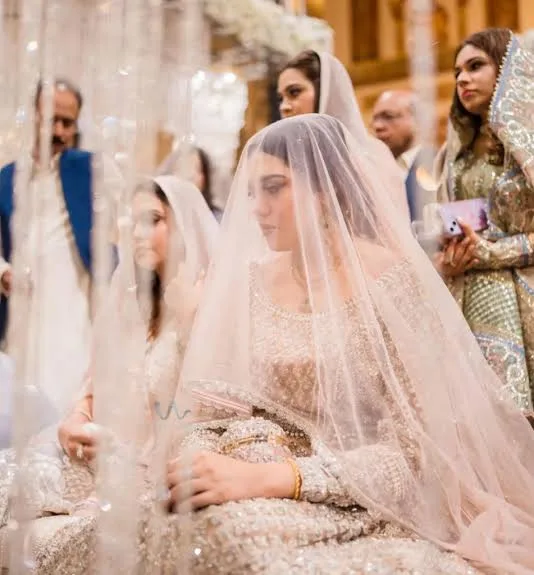
Nikah Ceremony: The Nikah is the Islamic marriage contract. Consent is given, witnesses are present, and the terms are agreed. A Nikah Khwan, or Qazi, usually conducts it, and the Nikahnama is the document that records the marriage.
Registration and paperwork are legal matters for the couple and their families. Requirements can differ by province and local union council, so the family should confirm the current formalities with the Nikah Khwan or the registrar well before the day. Vendors such as décor teams and caterers do not handle these formalities.
Venues vary widely: a mosque, a home, a hall, or the same venue as the Barat. Choose a space where guests can hear the ceremony clearly. Some families arrange separate seating for men and women, which changes how the room is laid out.
The setting is usually calm and respectful. Clean seating, a simple backdrop, a clear spot for the signing, and a quiet area to receive guests work well. Refreshments stay light, and photography should be discreet during the formal part. Some families hold the Nikah in the morning; others on the same day as the Barat
Barat Ceremony: The Barat is when the groom's family arrives at the wedding venue, and it is usually the largest function of all. In many Pakistani weddings, the bride's family hosts the Barat reception. Because of that scale, it is the day that needs the most planning.
Start with the venue. Check seated capacity, not just total capacity, and confirm parking, separate entrances for the groom's and bride's sides, and a private room for the bride. Stage design and lighting should be agreed early, since they affect both the entrance and the photographs.
Guest management deserves extra attention, since arrival times are rarely exact and two large groups often turn up close together. Ushers who know the family lists, clear seating zones, and a simple welcome process keep entrances smooth. Larger weddings often add hospitality services for ushers and seating help.
Dinner timing is the other pressure point. Guests may arrive later than planned, so the kitchen needs a flexible service schedule, and the family needs a decision on when dinner opens. A Barat event planner in Karachi can put the entrance, stage moments, dinner, and departure into one run of show that every vendor follows.
Rukhsati Planning: Rukhsati is the bride's farewell from her parents' home. It is often the most emotional moment of the wedding, and many families treat it as private. Some include a short prayer or Quran recitation as she leaves. The practical work here is quiet and careful. The family needs a calm space, a clear time window, a path for the bride's exit, and a few trusted people to manage guests. Photography should be agreed beforehand, since some families want only a handful of images. Because it usually comes at the end of a long night, confirm the timing with the venue so that transport and lighting are ready.
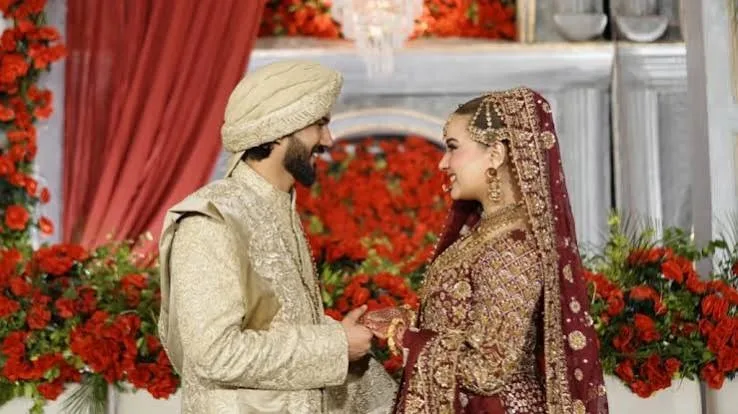
Post-wedding events are smaller and more flexible. They give both families another chance to celebrate once the main ceremonies are over. They are also a good place to keep numbers down after a large Barat.
Walima Reception
The Walima is the reception hosted by the groom's family, often held the day after the Barat. It is formal, but less intense than the Barat. Guests include extended family, friends, colleagues, and strangers.
The arrangements center on reception décor, dining layout, catering, the stage, and hospitality. A Walima is mostly about food and company, so menu planning, service, and seating comfort count for more than elaborate staging. Choose a venue with comfortable dining space and easy access for older guests. A short, well-organized welcome for the couple is often enough. Families who want the whole reception coordinated can look at a Walima reception planner in Karachi.
Post-Wedding Dinner and Reception Events
Some families add further gatherings after the Walima. One common example is a dinner the bride's family hosts for the couple, often called Chauthi. Others host a reception for relatives who could not attend the earlier functions. These are optional and usually much smaller. A suitable venue, a fixed menu and a simple seating plan are generally enough. Planning them early helps, because vendors already booked for the main functions can often be kept.

The same handful of services returns across several functions: venue, décor and stage design, catering, lighting and sound, entertainment, guest hospitality, and photography and videography. Knowing the full list makes it easier to decide what to book first.
Venue and catering usually come first, since they set the budget and the guest count. Families can look at catering services in Karachi for menus across the Mehndi, Barat, and Walima. Décor, lighting, and sound follow once the layout is known. Entertainment matters most for the Mehndi and Barat, and wedding entertainment services can cover live music and performances. Photography needs a clear brief for each function. When booking any vendor, a few questions save trouble later. Ask what is included in the price, what the date and time commitment is, how deposits and cancellations work, and what the backup plan is if something fails on the day.
When functions are spread across different venues and dates, coordinating vendors and schedules gets harder. A family might be dealing with a décor team on Monday and a catering team on Thursday, while the same relatives travel between events. Some families manage this themselves with a shared schedule. Others hand coordination to a wedding planner in Karachi or an event management company so that vendors and timelines sit in one plan. Whichever route a family takes, a few habits make a real difference:
• One shared timeline: A single master schedule with setup times, guest arrival windows, and key moments marked.
• One contact per vendor: A single person who speaks to each vendor avoids mixed messages.
• A separate budget for each function: It shows early where costs are creeping up.
• Guest counts confirmed per function: The Mehndi and the Barat rarely have the same guest list.
• Venue logistics checked in advance: Look at load-in times, parking, power supply, and noise limits.
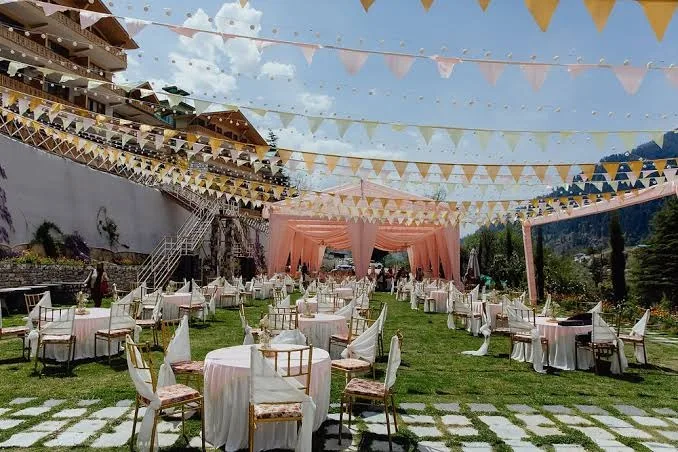
• A backup plan: Prepare for weather, power cuts, late vendors, and last-minute guest increases. Contingency planning matters in Pakistan because marquee and outdoor events are common, and weather or power issues can upset a schedule. A short list of backup contacts and a time buffer in the run of show cost very little. They prevent most last-minute stress.
Good Pakistani wedding planning begins with the family's own choices, not a fixed list. Each function needs arrangements that suit its purpose, guest count, budget, and the family's preferences. A Dholki needs warmth, a Barat needs structure and capacity, and a Rukhsati needs privacy and calm. When planning a wedding in Karachi, choosing the best event planner in Karachi can help bring these arrangements together. An experienced team can coordinate vendors, timelines, and guest requirements across different functions, keeping the celebrations organized from the first gathering to the last. This leaves families more time to enjoy each occasion.

The most common are the engagement, Dholki, Mayun, Mehndi, Nikah, Barat, Rukhsati, and Walima. Families choose which ones to hold, and some combine them. The Nikah, Barat, and Walima are the most widely observed.
The Mehndi is a lively pre-wedding celebration built around henna, music, and dance. The Barat is the main wedding day, when the groom's side arrives at the bride's venue, and her family often hosts the reception. The Walima is the reception hosted by the groom's family after the wedding.
No, it is a modern addition that some brides choose for an evening with friends. It is optional, and many families do not hold one. When included, it is usually small and themed.
Most weddings need a venue, décor and stage design, catering, lighting and sound, entertainment, guest hospitality and photography. The exact mix depends on the number of functions and the guest count. Booking the venue and caterer first makes the rest easier to schedule.
Yes, many families choose this because one team can keep the schedule, vendors, and budget aligned across functions. Others prefer to handle certain functions themselves, especially small family gatherings. Either approach works if there is one clear timeline.