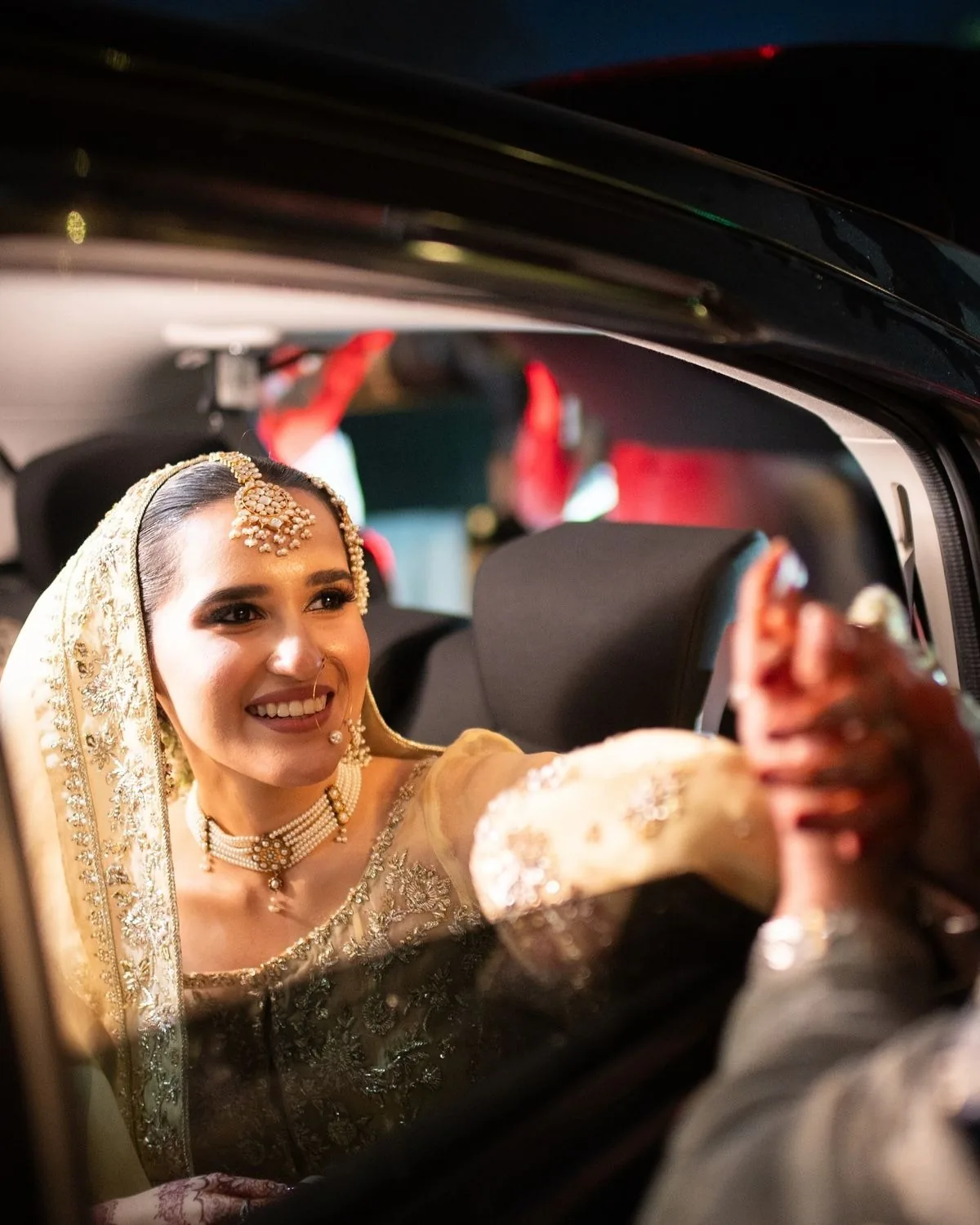
Does rukhsati always happen the same day as the baraat?
In many Pakistani weddings, yes — rukhsati typically follows the baraat or reception on the same day. Some families choose to delay it to a later date for personal or logistical reasons, though this is less common.
What happens if the rukhsati timing shifts on the day?
It often does — baraat and stage events can run later than planned. Tell your bridal car vendor and photographer in advance that the time is approximate, so they can hold flexibility rather than being scheduled to arrive at an exact minute.
Does the groom's family have a formal role in rukhsati?
The groom's side is typically present to receive the bride as she leaves, but exactly who does what — who walks her out, who receives her — varies by family and region rather than following one fixed custom.
What is the best anchor for a rukhsati timeline?
Use the intended departure time, then schedule preparation and photos backward with realistic buffers.
Who should manage the bride’s essentials?
A trusted sibling, friend or relative can keep one labelled bag and confirm it goes with the correct vehicle.
Should family photos happen before rukhsati?
Usually yes, as it reduces pressure during the farewell and gives everyone more time.